
Home » Roofing » Roofing in Grosse Pointe Woods, MI
There is a version of roofing Grosse Pointe Woods MI homeowners get sold that involves premium materials solving problems the house does not have, and a version that puts the money where it changes the outcome. This page is about telling them apart.
The short form: on a postwar house, upgrades to the visible material buy appearance and some additional years. Upgrades to the invisible parts of the system buy performance. Most homeowners have the emphasis backwards, and most quotes encourage it.
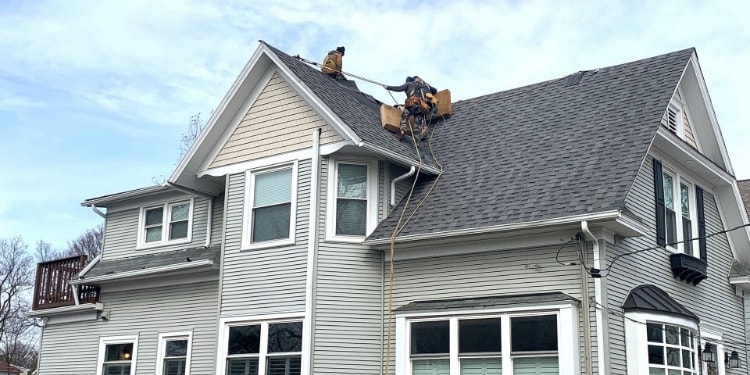
Ventilation correction. The highest-return item on nearly every house here, and the one most commonly absent from quotes. An under-ventilated attic shortens shingle life measurably and drives ice dams. Fixing it during a reroof costs relatively little and cannot be done well any other way.
Ice-and-water shield coverage beyond the minimum. Membrane at the eaves extending well past the interior wall line is what stands between an ice dam and your ceiling. Extra coverage is cheap relative to drywall.
Algae-resistant shingles on shaded slopes. Given the canopy situation in this city, the modest premium is worth it on any north-facing slope under trees.
Doing the tie-ins and flashing properly. Not really an upgrade, but it is where a good contractor spends hours a cheap one does not, and it is the difference on these houses.
New pipe boots and proper starter strip. Small money, disproportionate effect.
Copper valley metal under asphalt. Copper is excellent and lasts fifty years or more. Under a thirty-year shingle, you are paying for durability that gets torn out when the roof is replaced. It makes sense under slate. It rarely makes sense here.
Natural slate. Beyond the cost, most Woods houses were not framed for the load. Adding it requires structural assessment and often reinforcement, which is a large project for an aesthetic outcome.
Top-tier designer profiles on a modest ranch. Perfectly good products. On a low-visibility roof, you are buying appearance you can barely see plus some years. If you like how it looks, that is a legitimate reason. Just know what you are buying.
Premium ridge caps and accessories bundled without explanation. Some genuinely improve performance. Others are margin. Ask which each one is.
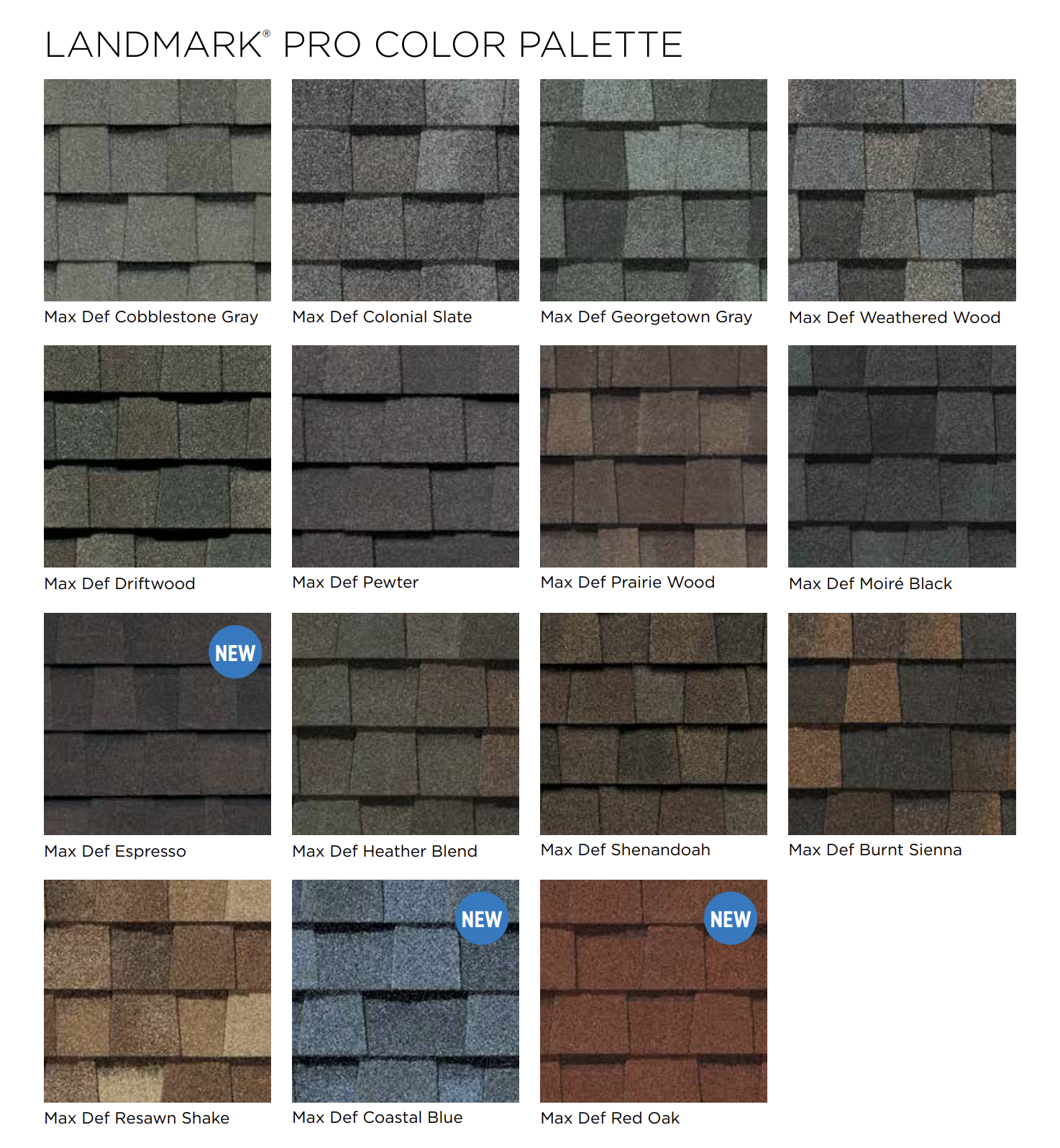
The right answer for most homes here. Laminated construction, solid wind ratings, warranties that reflect it, and an appearance that suits brick ranches and colonials.
Copper granules that inhibit the streaking that shows up on shaded north slopes. Worth specifying given the tree cover in this city.
More mass, longer warranties, better appearance. A reasonable choice on larger colonials where the roof is visible, an optional one elsewhere.
The cost gap has narrowed enough that it is hard to justify on a primary residence.
We install as a CertainTeed Master Shingle Applicator, which determines the manufacturer warranty coverage available.
The standard problem in this housing stock, and the reason it is worth the emphasis.
A balanced attic needs intake at the soffit and exhaust at the ridge, roughly matched. What we find on Woods ranches is usually adequate exhaust and compromised intake, for two consistent reasons: soffit vents painted over during a repaint, or insulation added at some point over the decades and pushed into the eaves, blocking the intake path completely.
Exhaust without intake accomplishes very little. The attic does not move air, the deck runs warm in winter, snow melts and refreezes at the eave, and shingles cook from underneath in summer.
Correcting it may mean clearing and reopening soffit vents, adding baffles to keep insulation out of the eave, or installing edge venting where soffit intake cannot be recovered. On a cape or any house with finished space in the roof volume, the path is more constrained and needs a plan per rafter bay.
Self-adhering membrane at the eaves extending past the interior wall line, in valleys, and around every penetration.
On moderate-pitch ranches, meeting that wall-line requirement sometimes takes more than a single course, which is exactly where a lower quote quietly saves money. This is invisible work with visible consequences, and it is worth confirming the extent rather than assuming.
Addition tie-ins deserve membrane treatment beyond code minimum, since those seams are the most likely failure point on these houses regardless of what goes on top.
Breezeways, garage connectors, porch roofs, and some rear additions here sit below the pitch where shingles work. Those sections need a membrane system, specified separately.
Running shingles across a low-slope connector is common in this housing stock and it is why so many of them have soft decking underneath.
Seventy-year-old trees fill gutters faster than most homeowners plan for. A full gutter holds water against the fascia and backs it up under the roof edge.
Where a large roof area drains onto one short run, upsizing to six-inch gutters with appropriately sized downspouts is usually the cheapest meaningful improvement available during a reroof. Where an addition roof discharges onto a lower section, a diverter keeps that concentrated flow from cutting a channel through the shingles below.





Underneath, in most cases. Ventilation and membrane change how long the roof lasts. The visible material mostly changes how it looks.
On shaded north slopes under this canopy, they earn the small premium. On a sunny slope it matters less.
Substantially. Exhaust without intake does very little, and painted-over soffit vents are one of the two most common causes of it in this housing stock.
Because many do not, which is worth asking about. It is the highest-return item on most Woods houses.
Not always, but it is the moment to evaluate. Under mature trees with a large roof draining onto a short run, upsizing usually pays.
Free inspection, layer count established, ventilation assessed, and an itemized written quote that tells you what is necessary and what is optional.
Call 734-367-4867 or request an estimate online.