
Warmer rooms and lower energy bills with blown-in attic cellulose and dense-pack wall insulation.
Saline homeowners looking for an insulation contractor Saline residents can trust with everything from a Michigan Avenue Victorian to a brand-new colonial on former farmland will find that The Modern Pros speak both languages. The town took its name from the salt springs along the Saline River, and it has kept a strong small-town identity even as subdivisions have spread across the fields around it. That mix of very old and very new houses is exactly why a one-size-fits-all insulation quote rarely works here.
We are a licensed and insured home-improvement contractor based in Livonia, offering roofing, siding, gutters and insulation across southeast Michigan. As an insulation contractor Saline, MI homeowners can reach with one call, we keep our insulation work tightly focused: blown-in cellulose for attics, dense-pack cellulose for closed walls, attic air sealing, and removal of old insulation that has stopped doing its job. On this page you will find how we diagnose heat loss in Saline homes, why we rely on cellulose, recommended R-values for our climate, and how rebates and financing can help.
Before we recommend a single bag of material, we want to know where your house is actually losing heat. A thermal camera, used on a cold day, turns that question into a picture: cold stripes along studs, dark patches where a wall cavity is empty, bright streaks around a leaky attic hatch. Combined with a look in the attic, it lets an insulation contractor Saline families invite into their home explain the problem in plain terms instead of guessing.

In Saline, the patterns we expect tend to follow the age of the house:
The point is not to sell the biggest job. It is to find the work that will actually change how the house feels in February, and to put it in a sensible order. That is how an insulation company in Saline earns repeat calls.
A house is a system, and heat escapes through whichever part of the envelope is weakest. In most Saline homes, the attic and the exterior walls are where the largest losses hide. Here is how an insulation contractor Saline homeowners rely on approaches each one, with the homes where it matters most.
The attic is where most homes give up the most heat, and it is the easiest place to make a big difference. Good attic insulation Saline homes can count on starts with air sealing the attic floor, then installing baffles at the eaves, then blowing in enough cellulose to reach the recommended depth. In a newer two-story home, that may mean adding a thick layer over what the builder installed. In an older home, it may mean starting almost from scratch. Either way, your insulation contractor Saline estimate should state the starting depth and the finished R-value.
Many houses built before the mid-twentieth century were never given wall insulation at all. Historic homes along and near Michigan Avenue, including the Victorian and Second Empire houses that give downtown its character, often fall into this group. For closed walls, we use dense-pack cellulose installed through small holes that are patched afterward, so the plaster and exterior trim stay intact. It is one of the services an insulation contractor Saline historic-home owners request most.
Bonus rooms above attached garages are among the most common comfort complaints in Saline's newer neighborhoods. The room's ceiling and the small side attics behind its short walls are often a separate attic from the main one, and builders frequently left them with a thinner layer. We open those spaces, seal the gaps where they connect to the main attic, and blow cellulose to full depth. Story-and-a-half farmhouses have similar side attics behind their upstairs knee walls, and they get the same treatment.
When a home has been expanded over the years, each addition may have its own attic and its own insulation story. We treat every section separately so the whole house performs evenly rather than leaving one wing cold. Old farmhouses in particular benefit from an insulation contractor Saline Township families trust to map each wing before quoting.
Want to know exactly where your home is losing heat? An insulation contractor Saline homeowners recommend can inspect your attic and walls and give you a straightforward plan.
Call (734) 367-4867Request a Free EstimateSaline falls in IECC climate zone 5, along with the rest of southeast Michigan. ENERGY STAR recommends specific insulation levels for this climate, and they are higher than what many homes have today. The full chart is on the ENERGY STAR recommended insulation levels page; the table below summarizes the numbers we use most.
| Location | Recommended Level | Typical Saline Situation |
|---|---|---|
| Attic with no insulation | R60 | Older downtown homes and farmhouse attics that were never insulated |
| Attic with 3–4 inches already | Add R49 | Mid-century ranches and early subdivision homes |
| Exterior walls with empty cavities | Blow insulation into the empty cavities | Historic homes near Michigan Avenue and older farmhouses |
ENERGY STAR estimates that air sealing and adding insulation can save homeowners an average of about 15% on heating and cooling costs. Every house is different, but in our experience the comfort gain, fewer drafts and steadier temperatures, is what homeowners value most. Any insulation contractor Saline residents interview should be able to explain these targets in plain language.
We install one insulation material: cellulose. That focus means our crews know exactly how it behaves in a hundred-year-old farmhouse wall and in a ten-year-old subdivision attic. You can read a broader overview on our insulation services page; here is what makes cellulose a good fit for Saline homes.
Cellulose is made primarily from recycled paper that has been shredded into fine fiber and treated with borate compounds. That treatment gives it fire resistance and helps it resist mold and insects. In a farming community that has always valued making use of what is on hand, a product that keeps paper out of the landfill and puts it to work in the attic tends to make sense to people.
Loose-fill cellulose flows around obstructions and fills irregular spaces, making it a natural fit for farmhouse attics with uneven framing, old plaster ceilings and decades of wiring added by different hands. In large, open subdivision attics it spreads into an even blanket that covers every joist. Because it is heavier and denser than many loose materials, it also resists the wind-washing that strips heat from attic edges in homes facing open fields.
For closed walls without insulation, dense-pack cellulose is the go-to method. We drill a small hole into each stud cavity, feed a tube inside, and fill the cavity under pressure until it is packed firm enough that it will not settle. Then we plug and patch. On plaster interiors we patch to match; on wood-sided farmhouses we can work from outside behind a removed course of siding. Few other Saline insulation methods change comfort as much.

Dense fiber does a good job of absorbing sound, and it is a benefit an insulation contractor Saline families hire for comfort rarely mentions up front. When we dense-pack the exterior walls of a home along a busy road, or blow a deep layer over a bedroom ceiling, homeowners often notice that traffic, rain and wind are noticeably softer. It is a side benefit rather than a soundproofing system, but it is a real one.
Wet, moldy, compressed or rodent-contaminated insulation should come out. Farmhouses close to fields and outbuildings tend to see more rodent activity, and mice love to tunnel through old fiberglass. We vacuum the old material out with a commercial insulation vacuum, bag it at the truck, sanitize the attic floor if needed, seal entry points, air seal, and then blow fresh cellulose. Fresh attic insulation Saline farmhouses receive after a cleanout performs like new.
Homes on the edges of Saline and out in the township often face wind coming across open farmland with little to slow it down. Wind pushes cold air into every crack on the windward side and pulls warm air out on the other. No amount of insulation can fully compensate for a leaky house, which is why air sealing is the first step in every project an insulation contractor Saline homeowners hire from our team completes.
The attic air sealing work our insulation contractor Saline crews complete covers:
Air sealing also helps your roof. When warm, moist air reaches the attic, it can melt snow on the roof and create ice dams at the eaves, and it can cause condensation on the underside of the roof deck. Pairing air sealing with proper ventilation baffles keeps the roof deck cold and dry. If your shingles are worn, a roof replacement for your Saline home is the ideal time to fix ventilation and insulation together. We can also check that your gutter system is moving spring meltwater away from the foundation.
Saline was settled in the 1830s, became a village in 1866 and a city in 1931, and its downtown still carries that history. The Davenport House, a Second Empire residence from 1875, is the best-known example, but the blocks around Michigan Avenue hold plenty of older homes with tall windows, decorative trim and plaster walls. Owners of these houses usually want two things at once: a warmer home and no visible change to the details they love.
That is entirely possible. An insulation contractor Saline historic-home owners can trust will work from the attic down and through the walls with minimal disruption:
Done this way, Saline insulation upgrades in older homes leave the exterior untouched. Where an attic contains vermiculite, we stop and arrange testing before anything is disturbed. An insulation contractor Saline homeowners hire for a historic house should treat that step as non-negotiable.
Much of Saline's recent growth has come from farmland turned into subdivisions, with two-story homes that often show colonial influences. These houses were insulated to code when they were built, but code minimums are a floor, not a target. After a few winters, owners begin to notice the bonus room that never warms up or the upstairs hallway that is always a degree or two behind.
In these homes, the usual list of fixes is short but valuable:
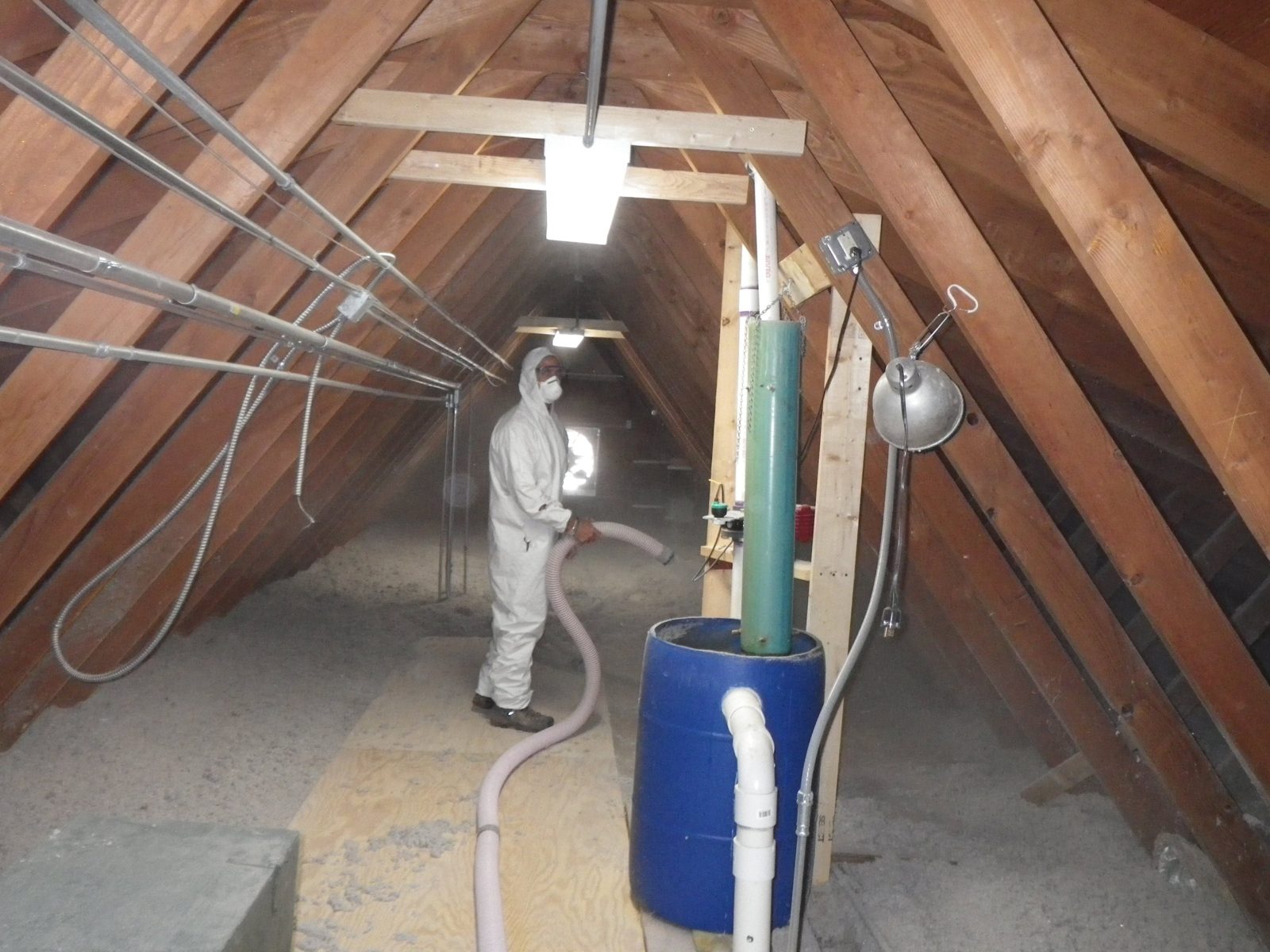
Attic insulation Saline subdivision homes receive this way is quick to install, typically a single visit, and the difference is easy to feel. We blow to a measured depth that accounts for normal settling, so the R-value on your estimate is the R-value you keep. For an insulation contractor Saline new-construction owners call, the work is less about rescue and more about finishing what the builder started.
Homes rarely announce an insulation problem directly, but they drop plenty of hints:
If two or three of these sound familiar, a professional inspection from an insulation company in Saline is worth scheduling before the next heating season. An insulation contractor Saline homeowners call can usually pinpoint the cause in one visit.
We have built our process around clear communication and careful work inside your home:
Every step is handled by people who understand how insulation interacts with your roof, siding and ventilation. That whole-house view is what makes an insulation contractor Saline homeowners can rely on different from a crew that only blows and goes.
Depending on your utility and current program rules, rebates may be available for insulation and air sealing. Review the DTE Energy insulation rebates and the Consumers Energy insulation rebate program to see what applies to your home. Program details change, so check before work begins.
We also offer financing for qualified homeowners and periodically run special discounts. Ask about both when you schedule your estimate with an insulation contractor Saline residents can trust to explain the paperwork.
We work throughout the City of Saline and the surrounding area, including:
For city services, permits and community news, visit the official City of Saline website. We also serve neighboring communities; see our pages for an insulation contractor in Pittsfield Township, an insulation contractor in Ann Arbor and an insulation contractor in Dexter.
There is more than one insulation company in Saline to choose from. Here is why homeowners call us:
To learn more about our company, visit our about us page. We would be glad to be the insulation company in Saline you recommend to friends.
Yes. Dense-pack cellulose is installed through small holes in each wall cavity, then the holes are patched. On a farmhouse with wood siding, an insulation contractor Saline farm owners hire can often work from the outside by removing a course of siding, filling the cavity and reinstalling it.
Bonus rooms over garages are usually surrounded by small attic spaces, above the ceiling and behind the short side walls, that got less insulation than the main attic and are poorly sealed where they meet it. We seal those connections and blow cellulose to full depth in each space.
Most attic projects from an insulation contractor Saline homeowners hire take a day, including air sealing and cleanup. Jobs that involve removing old insulation first, or dense-packing walls, can take longer. We will give you a clear timeline with your estimate.
Absolutely. Cellulose slows heat flow in both directions, so a deep attic layer helps keep upstairs rooms cooler on hot July afternoons, and sealing the attic floor keeps hot attic air from leaking down into the house.
Not always. If the existing layer is dry, clean and just too thin, we blow cellulose right over it. If it is wet, moldy, contaminated by rodents or crushed flat, we vacuum it out first so the attic floor can be sealed and re-insulated properly.
Many buyers ask about energy costs and comfort, and a well-insulated attic with visible depth markers is easy to show. Insulation is also one of the more affordable ways to improve a home's efficiency, especially if rebates apply. We provide a written scope of work you can share with buyers.
From downtown Victorians to new builds off the farm roads, we are the insulation contractor Saline, MI homeowners call for warmer winters and cooler summers. Schedule your estimate today.
Call (734) 367-4867Request a Free Estimate