
Blown-in cellulose for attics and walls, plus removal of old, damaged insulation, installed by a local Livonia crew.
Every January, crowds bundle up and stroll past the ice sculptures in Kellogg Park, then head home to houses that are either cozy or quietly leaking heat into the night sky. As the insulation contractor Plymouth families call when their home falls into the second group, The Modern Pros helps owners in both the City of Plymouth and Plymouth Township keep winter outside where it belongs.
Plymouth is an unusual mix. Within a few blocks of downtown you'll find Victorian-era homes, early twentieth-century houses on narrow lots, and even mail-order kit homes, while the township that surrounds the city fills out with ranches, split-levels, colonials and newer subdivisions. Each era was built with its own assumptions about insulation, and most of those assumptions don't hold up to a Michigan winter today. That's why a good insulation contractor Plymouth homeowners hire starts with the house, not a sales pitch.

Our insulation work comes down to three services: blowing cellulose into attics, dense-packing cellulose into closed exterior walls, and removing old insulation that has worn out. Below, we take a walk outward from the town square, era by era, and explain how those services fit each kind of house. After that you'll find a decision guide, Michigan R-value targets, our process, rebate resources and answers to common questions.
Plymouth was settled in the 1820s, became a village in 1867 and a city in 1932. The city remained compact while Plymouth Township grew around it. That history shows up clearly in the housing, and each stop on this walk has its own insulation story.
Close to downtown, older homes sit on smaller lots, many with porches, steep gables and plaster interiors. Some of these houses were built before wall insulation was common at all, and the attics were never meant to hold today's depths. Typical findings include empty exterior walls, drafty attic hatches, and a few inches of dusty old loose fill. Dense-pack cellulose for the walls and air sealing plus blown-in cellulose for the attic is a frequent combination here, and it's the bread-and-butter work of any insulation contractor Plymouth's historic blocks depend on.
The bigger houses along Ann Arbor Trail often have multiple additions, finished third floors and complex rooflines. As an insulation contractor Plymouth homeowners invite into these houses, we spend time tracing where each addition's attic meets the original one, because those seams are where cold air sneaks in. The small attic pockets behind knee walls on finished upper floors are another frequent weak spot.
Originally called North Village, Old Village grew up around the railroad and the Starkweather family's land, and it has its own small business district. Homes here are a mix of older cottages, modest early homes and infill, plus adaptive reuse like the former 1927 schoolhouse turned lofts. Smaller footprints mean smaller attics, often with tight access, and walls that may be uninsulated. Careful air sealing makes a surprising difference in these compact houses, and Old Village owners are often surprised how quickly an insulation contractor Plymouth sends over can find the leaks.
Further from the square, the housing shifts to ranches, split-levels, brick tri-levels and colonials on regular suburban lots. These homes usually have some wall insulation already, so for attic insulation Plymouth projects in this area the attention goes overhead: settled fill, unsealed light fixtures, and attic hatches that leak like an open window.
The township surrounds the city and includes everything from mid-century neighborhoods to newer subdivisions with larger two-story homes, attached garages and bonus rooms. Here our insulation contractor Plymouth Township crews most often handle cellulose top-ups, the side attics around bonus rooms, and air sealing around recessed lights and ductwork. Homes near Hines Park and the Middle Rouge corridor often sit among mature trees, which keeps attics a little damper than average and invites the occasional squirrel or mouse.
Live in one of these Plymouth neighborhoods? We'll show you exactly what your house needs, and what it doesn't.
Call (734) 367-4867Request a Free EstimatePlymouth's signature event happens in the dead of winter for a reason: it's reliably cold. That same cold reveals which homes are losing heat. After a snowfall, take a look up and down your street. Roofs where snow melts quickly, especially in a patchy pattern, are often roofs sitting over warm, poorly insulated attics. Long icicles and thick ridges of ice at the eaves tell the same story.
Ice dams form when heat escaping into the attic warms the roof deck, melting snow that then refreezes at the colder overhang. Water backs up behind the ice and can work under shingles, staining ceilings and soaking insulation. The fix starts inside: an insulation contractor Plymouth homeowners trust should air seal the attic floor, add cellulose to recommended levels, and keep ventilation open from soffit to ridge.
If ice has already damaged your roof, our team can help there too. We're CertainTeed Master Shingle Applicators, and our roof replacement services can be coordinated with attic work so ventilation and insulation are upgraded together. Pairing roof work with clean, properly sized gutters helps carry meltwater away as well.
We install one material, cellulose, but how we install it depends entirely on your house. Here's how we decide, in plain terms, and a good insulation company in Plymouth should be able to explain its reasoning the same way.
For older homes near downtown and in Old Village, we drill small holes, fill each cavity with cellulose packed tightly enough that it can't settle, then plug and patch. Dense-pack fills around old blocking and wiring, and it slows the air movement that makes plaster-walled rooms feel drafty.
When the existing insulation is dry and undisturbed, there's no reason to throw it away. We seal the attic floor, set baffles and blow cellulose right over the top until the attic reaches its target. This is the most common attic insulation Plymouth township homes need.
Wet, moldy, matted or rodent-soiled material comes out first. Old fiberglass that has been compressed by stored boxes or soaked by an ice dam leak loses much of its value, and covering it only buries the problem. We vacuum it out, clean the attic, seal it, then re-insulate with fresh cellulose.
Vermiculite turns up in some older Plymouth attics. It should be tested for asbestos before it's disturbed, and our team also provides asbestos removal when testing calls for it.
Cellulose is dense and fibrous, so filled walls and a deep attic layer soften outside noise. Owners facing Main Street, Ann Arbor Road or the railroad through Old Village tend to notice the change. It's a bonus most owners don't expect from Plymouth insulation upgrades.
Cellulose is made mostly from recycled paper fiber, treated with borates for fire resistance and to help it resist mold and insects. That recycled content appeals to many Plymouth owners, and its physical properties suit the town's older housing especially well.
Attic cellulose settles slightly after installation, so we blow to the chart's initial installed thickness and leave depth rulers you can check later. As an insulation contractor Plymouth, MI owners can hold accountable, we put the bag count in writing.
Older houses reward patience. Before an insulation contractor Plymouth historic homeowners hire adds anything to a wall or attic, a few questions should be answered first:
Answering these questions upfront avoids surprises and protects both the house and your investment. It's why an insulation company in Plymouth should inspect before quoting, and why we never price wall work over the phone.

Photo: Jennifer Dickert, CC BY 2.0
Many mid-century and older Plymouth homes are due for new siding, and that project is a rare chance to improve the walls from the outside. With the old siding off, we can drill through the exposed wall boards, dense-pack each empty cavity with cellulose, and plug the holes, all before the new Mastic by Ply Gem siding covers them. Nothing shows inside, and no patching is needed on your plaster.
As a full exterior contractor, we coordinate both steps in one project. That avoids drilling through brand-new siding later. If you're weighing a siding project, ask the insulation contractor Plymouth homeowners use for exterior work to price wall insulation at the same time.
A lot of well-meaning advice gets passed around at block parties and on neighborhood forums. Here are a few ideas we gently correct as an insulation contractor Plymouth homeowners invite in for a second opinion.
Older homes can breathe and still be comfortable. Sealing the big air leaks at the attic floor and chimney, then dense-packing walls and deepening the attic, keeps the character while losing the drafts. Proper bath fan venting and attic ventilation handle the moisture side.
Depth matters, but piling cellulose over unsealed gaps, blocked soffits or soiled old material leaves the real problem in place. Air sealing and baffles come first, and damaged existing insulation should come out.
Plenty of township homes have settled attic fill or skipped air sealing. Any insulation contractor Plymouth residents hire can check depth in minutes, and the answer is often a quick, affordable top-up.
Plymouth is in IECC climate zone 5. ENERGY STAR's recommendations for Michigan's zones 5 and 6 give us clear targets, and they're often far above what older Plymouth homes contain.
| Where | ENERGY STAR target | Common Plymouth situation |
|---|---|---|
| Attic with no insulation | R60 | Older downtown homes and small Old Village attics |
| Attic with 3–4 in. existing | Add R49 | Ranches and split-levels south of Hough Park, township colonials |
| Attic after removal of damaged material | R60 from scratch | Leak-stained or rodent-soiled attics under mature trees |
| Existing exterior walls | Fill empty cavities | Plaster-walled homes near downtown; walls opened during re-siding |
See the complete chart on the ENERGY STAR insulation R-value page. ENERGY STAR estimates that homeowners can save an average of about 15% on heating and cooling costs by air sealing and adding insulation. In older Plymouth homes with empty walls, the comfort change is often dramatic. Our proposals as an insulation contractor Plymouth families compare always state the target R-value for each area.
Houses rarely fail all at once; they drop hints. These are the ones we hear about most from Plymouth homeowners:
If two or three of those sound familiar, an inspection by an insulation contractor Plymouth neighbors recommend is a smart next step. A thermal camera usually pinpoints the cause quickly, and Plymouth insulation problems are often easier to fix than owners expect.
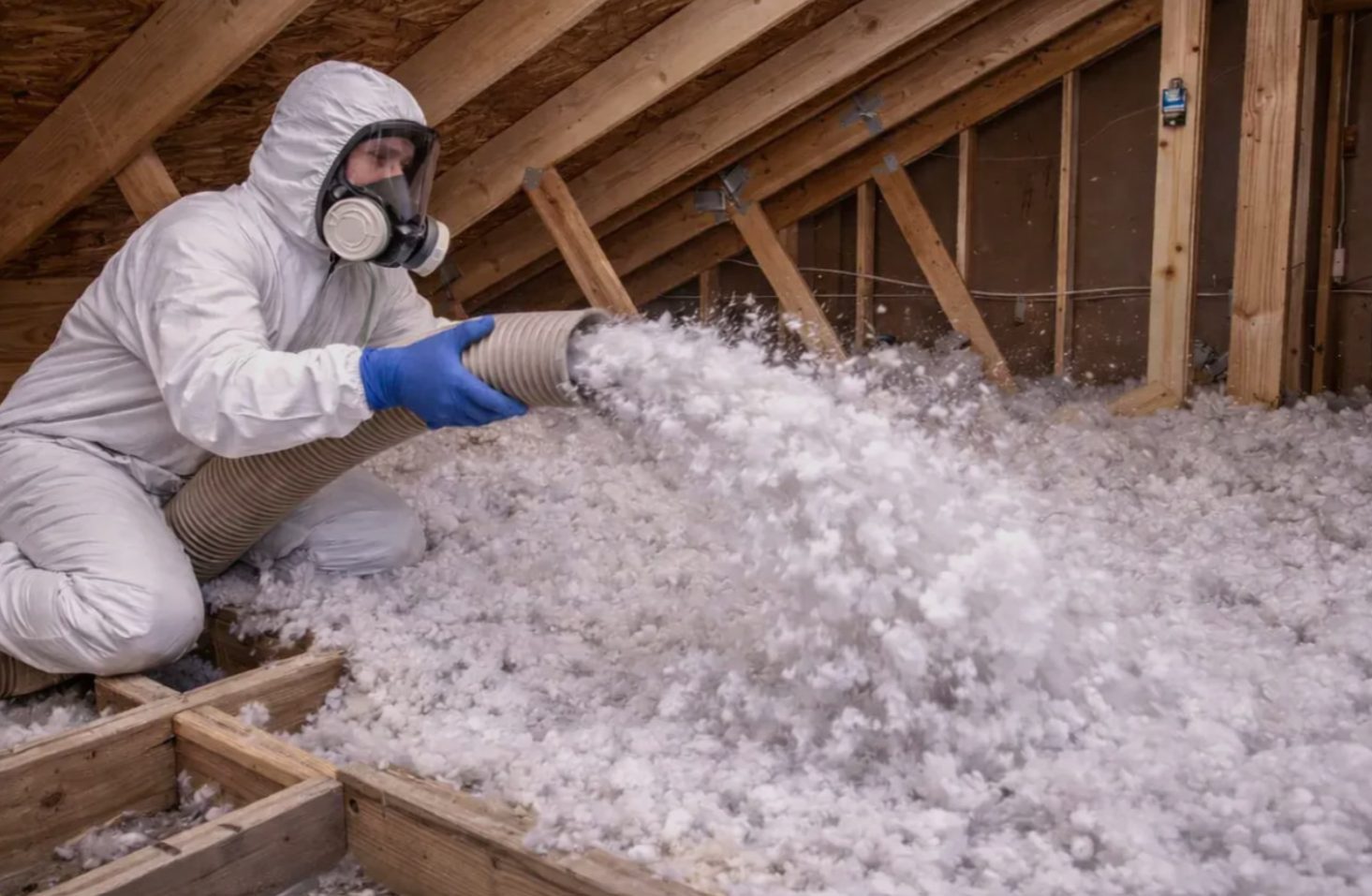
Working with an insulation contractor Plymouth families trust should feel easy. Our process is designed to be clear and respectful of your home, whether it's a century-old house near the square or a newer township colonial.
On a removal job, expect bagged debris to leave through the same protected path we came in on, and expect the attic to be cleaned and sealed before any fresh cellulose goes down. It's the same careful routine whether we're handling attic insulation Plymouth township colonials need or a downtown wall project.
Make this the winter your Plymouth home stays warm from the front porch to the back bedroom.
Call (734) 367-4867Request a Free EstimateDepending on your utility and the program rules in place when you upgrade, rebates may be available for qualifying insulation and air sealing work. Plymouth-area homes may be served by DTE Energy, Consumers Energy, or both for different services. Review the DTE insulation rebate information and the Consumers Energy insulation rebate information for current details.
We also offer financing, which helps when a historic home needs both walls and attic done, or when home insulation is paired with roofing or siding. Check our current discounts as well, and ask how attic insulation Plymouth upgrades can be phased if you'd rather spread the work out. As an insulation company in Plymouth that also handles exteriors, we can plan the order for you.
As the insulation contractor Plymouth city and township residents share, we serve the whole community, including:
We're also nearby if you're across the line: see our pages for an insulation contractor in Canton, an insulation contractor in Northville and an insulation contractor in Livonia. For city services and local news, visit the City of Plymouth's official website; township residents can find their services on the Plymouth Township website.
We're an insulation contractor Plymouth homeowners can reach in minutes: our office is in nearby Livonia, close enough that Plymouth is truly part of our home turf. Here's what sets us apart from a typical insulation company in Plymouth:
Learn more about our company, or explore our complete insulation services.
Yes. Dense-pack cellulose goes in through small holes drilled from the outside or inside, which are then plugged and patched. It's the most common way we insulate closed walls in older homes near downtown and in Old Village.
We'll measure depth in several spots, look for air leaks around lights, fans and chimneys, check soffit and roof ventilation, and note any moisture, pests or older materials that need testing. You'll get photos and a clear written plan.
Only if it's damaged. Clean, dry material can stay, and we blow cellulose over it. Wet, moldy or rodent-soiled insulation should be removed so the new layer starts on a clean, sealed attic floor.
Air sealing, proper insulation depth and open ventilation address the main cause of ice dams, which is heat escaping into the attic. Roof condition and gutters also matter, and we can evaluate those at the same visit.
No. The machine stays outside, the hose runs to the attic, and we protect the path in. Interior wall drilling creates a little dust, which we contain and clean up.
A nearby contractor can inspect quickly, return for follow-ups, and understands the mix of older city homes and newer township houses. We're based in Livonia and work in Plymouth regularly.
Most attic projects take a day, including cellulose and air sealing. Removal adds time, and dense-packing the walls of an older home usually takes longer, depending on its size and number of stories. Your insulation contractor Plymouth crew lead will share a schedule before work begins.
From Old Village to the township's newest streets, we'll help your Plymouth home hold its heat.
Call (734) 367-4867Request a Free Estimate